

Induction Coating Removal: How It Differs from Laser Cleaning and Sandblasting
Induction coating removal heats the steel to release heavy coatings, linings and build-ups. How it differs from laser cleaning and abrasive blasting, where the cost per square metre sits, and the jobs it does not suit.
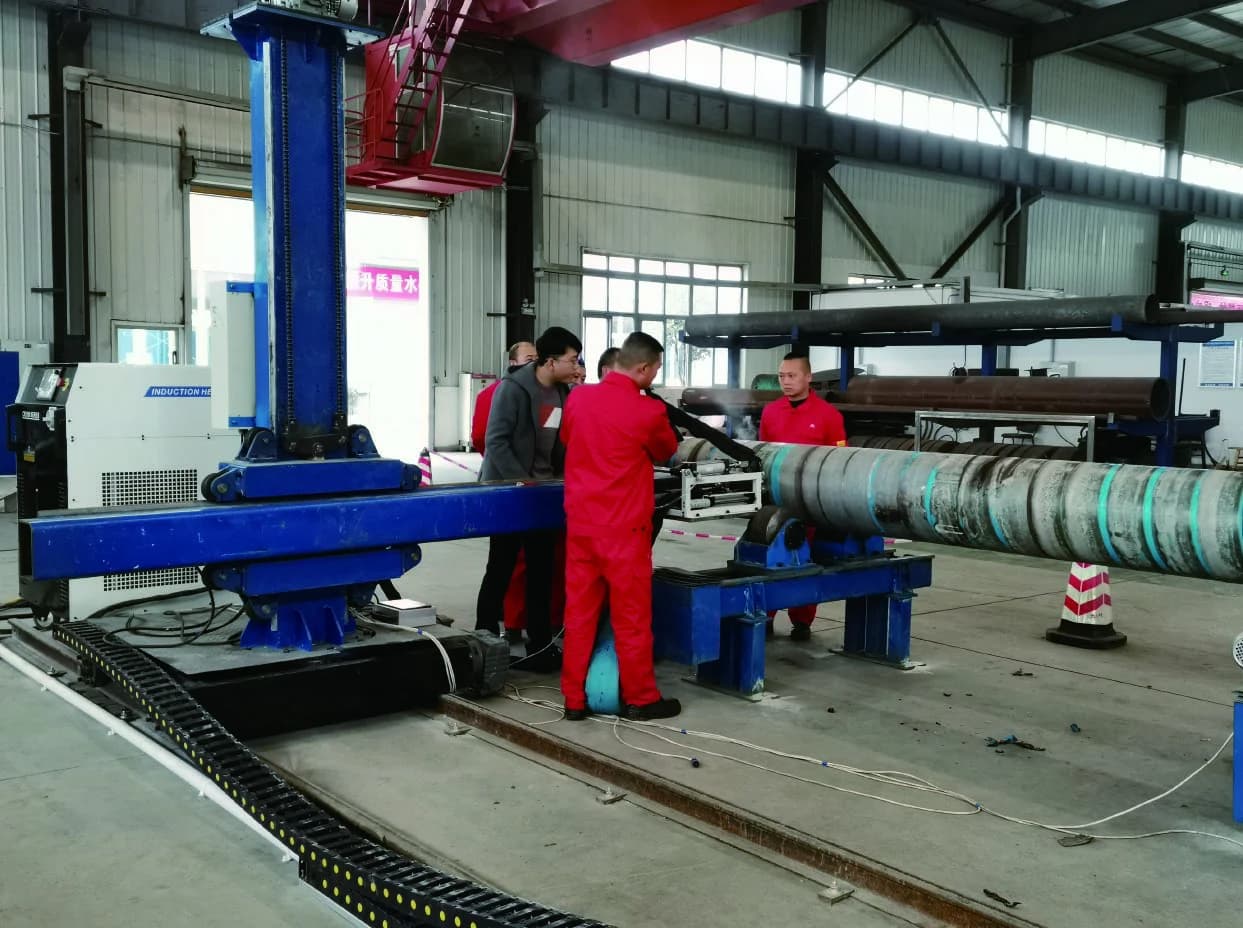
Induction coating removal is not a cleaner. It heats the steel underneath a heavy coating so that the coating lets go, and the coating is then scraped off and collected. That single difference decides which jobs it suits: a tank lining or a pipeline coating that a laser cannot reach through, and that a blaster would take off together with the steel.
Three methods get quoted against each other for the same job. They act on different layers, they leave different surfaces behind, and they cost different amounts per square metre once labour, waste and the second stage of preparation are counted. This article sets them side by side, then covers what the induction process actually does, where the money goes, and the jobs where it is the wrong answer.
The three methods side by side
| What you compare | Induction coating removal | Laser cleaning | Abrasive blasting |
|---|---|---|---|
| What it acts on | The bond between the coating and the steel | The surface layer itself | The surface layer, carried by an abrasive |
| Suited to | Heavy coatings, linings and build-ups | Rust, oxide, paint and residues on exposed steel | General surface preparation and a defined profile |
| What is left behind | The steel, with the coating still to be scraped away | The cleaned surface, with little heat effect | Clean steel with an abrasive profile |
| Waste | The removed coating, collected as solid debris | A small volume of residue | Significant abrasive and coating waste |
| Substrate | Steel; other metals need separate validation | Most surfaces the beam can reach | Most materials |
| Before recoating | Further preparation is often required | Depends on the coating system | Profile is usually ready for coating |
What induction heating actually does
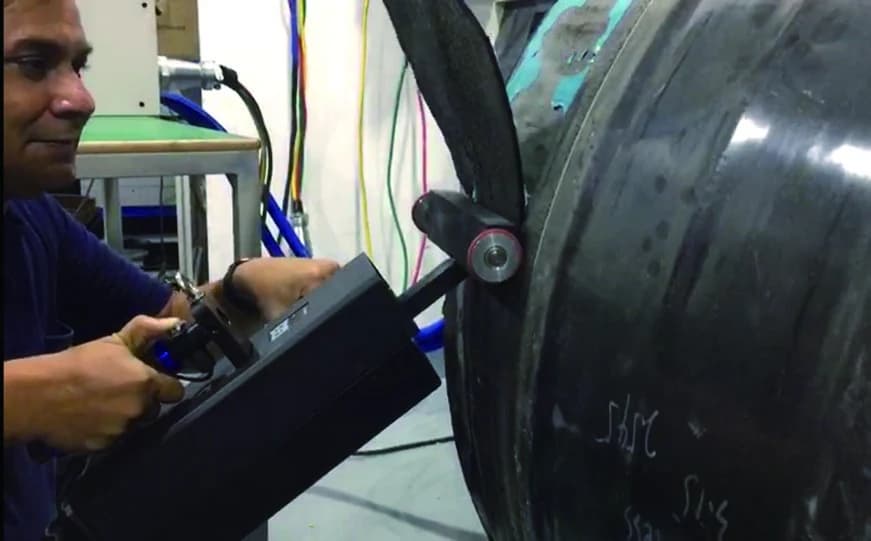
An alternating magnetic field is passed through a tool that sits close to the steel. The field induces a current in the steel itself, and the steel heats locally while the coating above it stays comparatively cool. The heat weakens the interface between the two, and the coating releases in sheets and flakes. A scraper and a collection tray do the rest.
Two things follow from that description, and both of them matter when you are comparing suppliers. First, the coating is not burned off and not vapourised, so the removal leaves solid debris to collect rather than fume to extract. Second, the energy goes into the steel, which is why the plate thickness, the distance to the other side of the work and what is mounted behind it have to be checked before the process is used on a given job.
A full job follows a fixed order: confirm the substrate and the coating, test a representative area, heat and peel over the working section, scrape and collect the debris, inspect the exposed steel, and then treat the remaining primer, rust and profile as a separate preparation step. Skipping the test on a new coating system is the most common way to end up with an unpleasant result, because the time needed to release the coating is only known once you have seen that coating release.
Where the cost per square metre goes
The purchase price of the equipment is the smallest part of the number a buyer actually pays. The cost that matters is the delivered result per square metre, and it is assembled from six items.
- Equipment and financing. A 30 kVA and a 60 kVA system are different purchases, and so are the split type with an external chiller and the all-in-one with the chiller built in.
- Peeling labour. The heat releases the coating; a person with a scraper still removes it. On a large tank this is the line that decides the cost, and it is why the removal rate is quoted with a crew size rather than on its own.
- Power and cooling. The site has to supply the electrical supply and the cooling arrangement for the whole run.
- Waste handling. The coating has to be scraped, collected, bagged and taken away, and that is true of every method.
- Second-stage preparation. The released steel usually still carries primer and rust and needs a defined profile before the new coating system is applied.
- Isolation and downtime. A tank or a pipeline cannot be in production while it is being stripped.
Sandblasting looks cheap on the equipment line and expensive on the waste line, and it produces a profile that needs no second stage. Induction looks expensive on the equipment line and produces very little waste, but it usually adds the second stage back. Which side of that trade a job falls on depends on the coating, the access and whether the surface has to be ready for coating at the end.
What induction coating removal does not do
It is worth being blunt about the limits, because they decide which enquiries are worth answering.
- It is a steel process. The heat has to be absorbed by the substrate. Aluminium, copper and stainless steel have to be validated for the specific system and coating, and a general statement about induction heating is not evidence that a given coating releases on a given metal.
- It is not a substitute for surface preparation. Removing the bulk coating leaves primer, rust and a profile. Blasting, mechanical preparation or another process is often still needed before the coating system is applied.
- It is not a pressure-line method. Heating a line that carries product under pressure is a decision for the operator of that line, with the temperature limit of the whole system reviewed first.
- There is no universal thickness limit. The catalogue figures describe equipment, not a guarantee. The thickness that releases depends on the coating and on the plate it sits on.
How to decide whether the job fits
Five questions decide it, and all five can be answered from information you already have.
- What is the substrate? Steel plate, and how thick? Thin plate transfers heat to the other side, which changes the risk and the method.
- What is the coating? The material, the layer structure and the measured thickness. Some coatings do not release at all.
- What is behind the plate? Equipment, seals, wiring or a sealed space change how the work has to be planned.
- What access is there? Internal space, working height, and the distance the tool needs to move around the work.
- What has to be true at the end? The surface condition and the coating specification decide whether a second preparation stage is part of the job.
If those answers are clear, the next step is a test on a representative area of the actual coating, because the release rate and the surface afterwards come from that test and not from a brochure. The storage tank lining and pipeline coating removal pages set out the same questions for those two jobs.
Frequently asked questions
Does induction heating burn the coating off?
No. The heat weakens the bond between the coating and the steel so that the coating can be lifted mechanically. The coating still has to be scraped off, collected and removed from site, and there is no fume or dust cloud from the coating itself.
Can it remove paint from aluminium or stainless steel?
Not as a general statement. The process depends on the heat being absorbed by a steel substrate, so other metals have to be validated against the specific system and the specific coating. A test on a representative area is the only reliable answer, and for many jobs the answer is that this is a steel process and aluminium parts go to a different method.
Is induction coating removal cheaper than sandblasting?
On the equipment and waste lines, usually yes. On the delivered result, it depends: the steel usually needs a second preparation stage after the coating is removed, and the peeling labour is a substantial part of the job. The comparison that settles it is the cost per square metre including labour, waste, preparation and downtime, which is the same way laser cleaning, sandblasting and dry ice have to be compared.
To see the equipment behind this process and the configurations available, the JSY CR2100 induction coating removal system page lists the models, the output and the cooling arrangement, and the contact form takes a workpiece description so the configuration can be reviewed against the actual job.