
Induction vs Laser Cleaning for Thick Coatings: Which Step Comes First?
A thick coating job usually needs two methods in a fixed order: induction heating releases the heavy coating, laser cleaning removes the primer and residues. What each stage does and how the surface is checked between them.
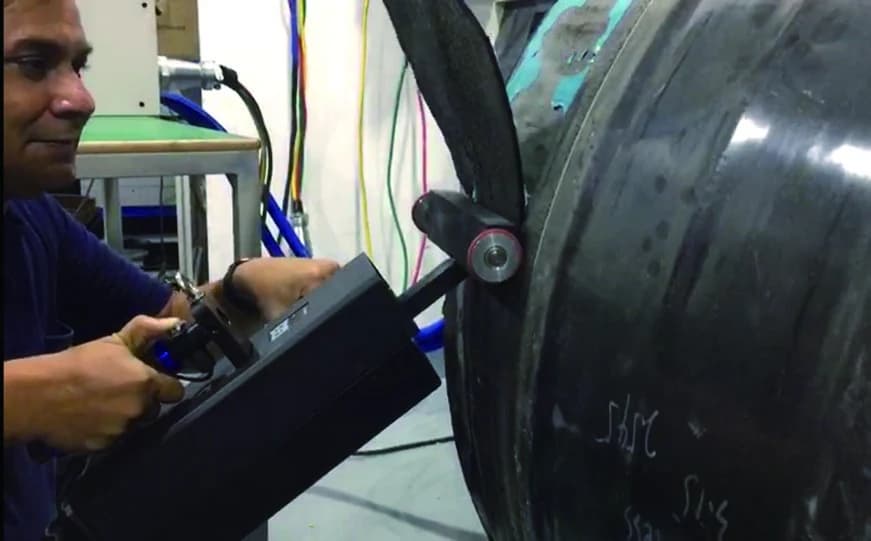
A thick coating job usually needs two methods, in a fixed order. Induction heating releases the heavy coating so it can be scraped off and collected, and laser cleaning removes the primer, the rust and the residues that are left on the steel. Reversing the sequence wastes the expensive stage: a laser cannot remove a coating that is still bonded, and heating a surface that has already been cleaned takes away the layer you needed to work on.
This article sets out how the two stages divide the work, what has to be checked between them, and the three cases where one method alone is enough.
Which stage comes first
| Stage | What it removes | What it leaves | What it needs |
|---|---|---|---|
| First | The bulk coating: the paint system, the lining, the heavy build-up | Steel with primer, rust and a partly degraded coating still on it | Steel plate thick enough to take the heat, and access for the tool |
| Second | Primer, rust, residues and the remaining coating fragments | A cleaned surface, still needing a profile check | A defined treatment area and the finish the coating system needs |
| Either alone | Rust, oxide and light paint on exposed steel | A surface that may already be ready | Nothing more than the cleaning itself |
The order is not a preference. Heating works by weakening the bond between the coating and the steel, so the coating has to still be there. A laser works on the surface layer, so the surface layer has to still be there. Removing the wrong layer first removes the ability of the other method to do its job.
What the first stage actually involves
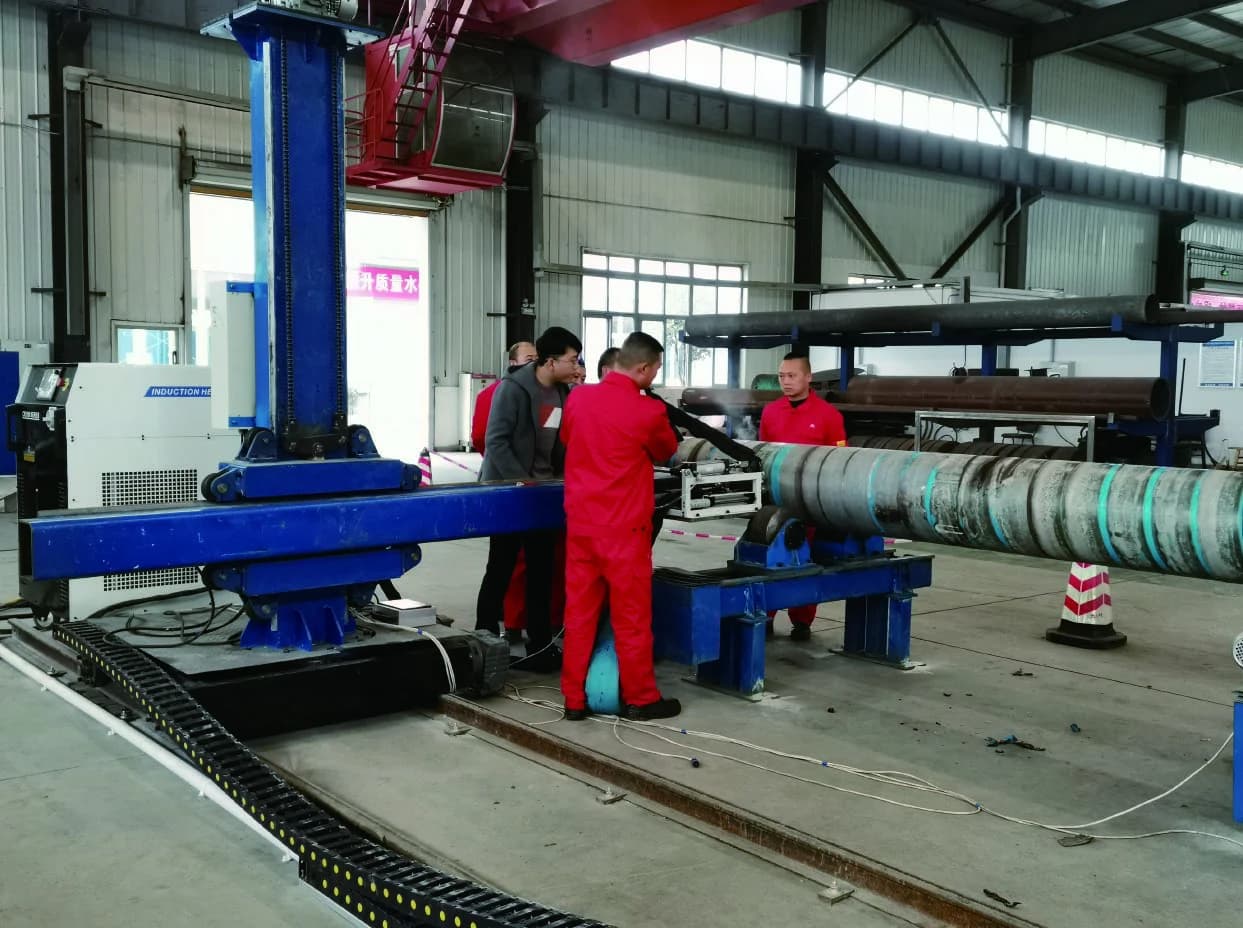
The first stage is a mechanical removal with a heat assist. The tool heats the steel under the coating, the coating releases in flakes and sheets, and the operator scrapes it and collects it. Nothing is vapourised, so the waste is solid debris that has to be bagged and taken away, and the heat goes into the plate.
That last point is what decides whether the first stage can be used at all on a given job. A tank wall and a pipeline are both steel, but a thin plate transfers the heat to whatever is behind it, and the release rate depends on the coating and on the plate it sits on. The rate that a brochure quotes is not a rate you can plan a crew around until a test area has been run on the actual coating.
Because the coating comes off in pieces, the surface after the first stage is uneven. Some areas still hold primer, some have lost it, and the edges of the removed patches leave a transition. This is normal, and it is the reason the second stage exists.
What the second stage has to achieve
The second stage is where the coating specification decides the work. Before the new coating system is applied, the steel has to meet the requirements of that system, and those requirements differ.
- Cleanliness. Primer, rust and coating fragments have to be off the surface. Laser cleaning works on the exposed surface without a coating system in the way, and it handles the fragments and the residue in the same pass.
- Profile. Many coating systems specify a surface roughness, and light blast cleaning does not create it on its own. Where the specification asks for a defined profile, mechanical preparation or abrasive work is still needed after the laser stage, and it is worth deciding that at the quotation stage rather than on the day.
- Contamination. Where the old coating contained heavy metals or other regulated substances, the waste has to be handled as that material from the moment it is scraped off, not sorted later.
A second laser pass is often enough for the cleanliness requirement, because laser cleaning is applied to a surface that is already free of the heavy coating and is therefore accessible across the whole area. This is the point of the sequence: the first stage makes the work area accessible, and the second stage makes the surface acceptable.
Where the cost of a two-stage job sits
The two stages are quoted separately and they are not comparable line by line. A useful way to compare them is to build the cost per square metre of finished surface from the same six items that were described in the comparison of the three methods: equipment and financing, labour, power and cooling, waste handling, second-stage preparation and isolation.
Two things usually surprise buyers who have only compared cleaning methods before. The first is that the peeling labour is a large part of the first stage and does not scale down with a bigger machine in the way they expect. The second is that the second stage, which looks minor on a drawing, is often the stage that decides whether the surface passes inspection. Both are reasons to test a representative area before a quotation is signed rather than after.
Three cases where one method is enough
The combination is not always needed, and quoting it when it is not adds cost without adding value.
- Light rust and oxide on exposed steel. This is ordinary laser cleaning. There is no heavy coating to release, and the surface is usually close to ready for the coating system.
- A single heavy coating with a thin primer. If the test shows the coating releases cleanly and leaves only a light residue, the laser stage may only need to cover the transition areas rather than the whole surface.
- A surface that still has to be blasted anyway. Where the coating specification requires a profile that abrasive preparation creates, the laser stage adds a pass over the whole area. The sequence still works, but the second stage has to be planned as part of the coating work, not as extra cleaning.
The way to tell which case applies is the test on the actual coating, carried out before the equipment and the crew are committed.
Frequently asked questions
Can a laser remove a thick coating on its own?
Not reliably, and not without a lot of energy and repeated passes. A laser acts on the surface layer, so a coating that is thick and well bonded has to be removed in stages, and the heat can affect the substrate below it. For heavy coatings the released heat of the coating itself becomes the problem, which is the reason the induction route exists.
Why not heat the coating first and then clean it with a laser?
That is the sequence, and it works. The point of the order is that the coating has to be physically removed, because the heat that is meant to reach the steel stops working once a loose layer of coating sits between the tool and the plate. Heating first and laser cleaning afterwards only makes sense if the coating is removed in between.
Do both stages have to be done by the same company?
No. Many sites run the removal with one contractor and the surface preparation with another, and the handover is the point where information is lost: the test results from the removal stage, the records of what was found on the steel and the map of the transition areas are what the second stage needs. Whichever company runs the second stage should have the test results in hand before it starts.
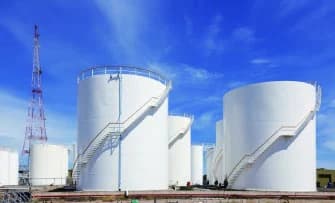
The equipment for the first stage is covered on the JSY CR2100 induction coating removal system page, and the second stage is covered by the pipeline coating removal and storage tank lining application pages. The comparison of the three methods sets out what each of them leaves behind, and the contact form takes a description of the coating and the substrate so the sequence can be reviewed against the actual job.