

Storage Tank Relining Cost: Where the Money Goes and What to Test First
What a tank relining quotation is made of: equipment, peeling labour, power and cooling, waste, surface preparation and isolation. What to send with an enquiry so the quotations are comparable.
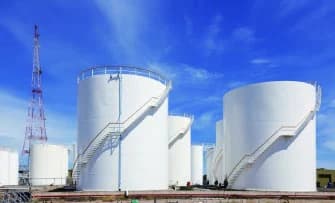
A tank relining quotation is usually asked for per square metre, and that is the right unit, but it is the wrong number to compare. Two tanks with the same surface area can differ by a factor of several in what the work costs, because the difference is in the coating, the plate, the access and the condition the steel is found in. What decides the number is the test on a representative area, and the quotation that comes before it is an estimate of the scope rather than a price.
This article breaks a tank relining job into the parts that make up the cost per square metre, explains what moves each of them, and sets out what to send to a supplier so that the quotation is built on the same facts for everyone.
What the cost per square metre is made of
| Cost line | What it depends on | What usually surprises a first-time buyer |
|---|---|---|
| Equipment | Power capacity, configuration, cooling | A split type needs an external chiller and the access to bring it in |
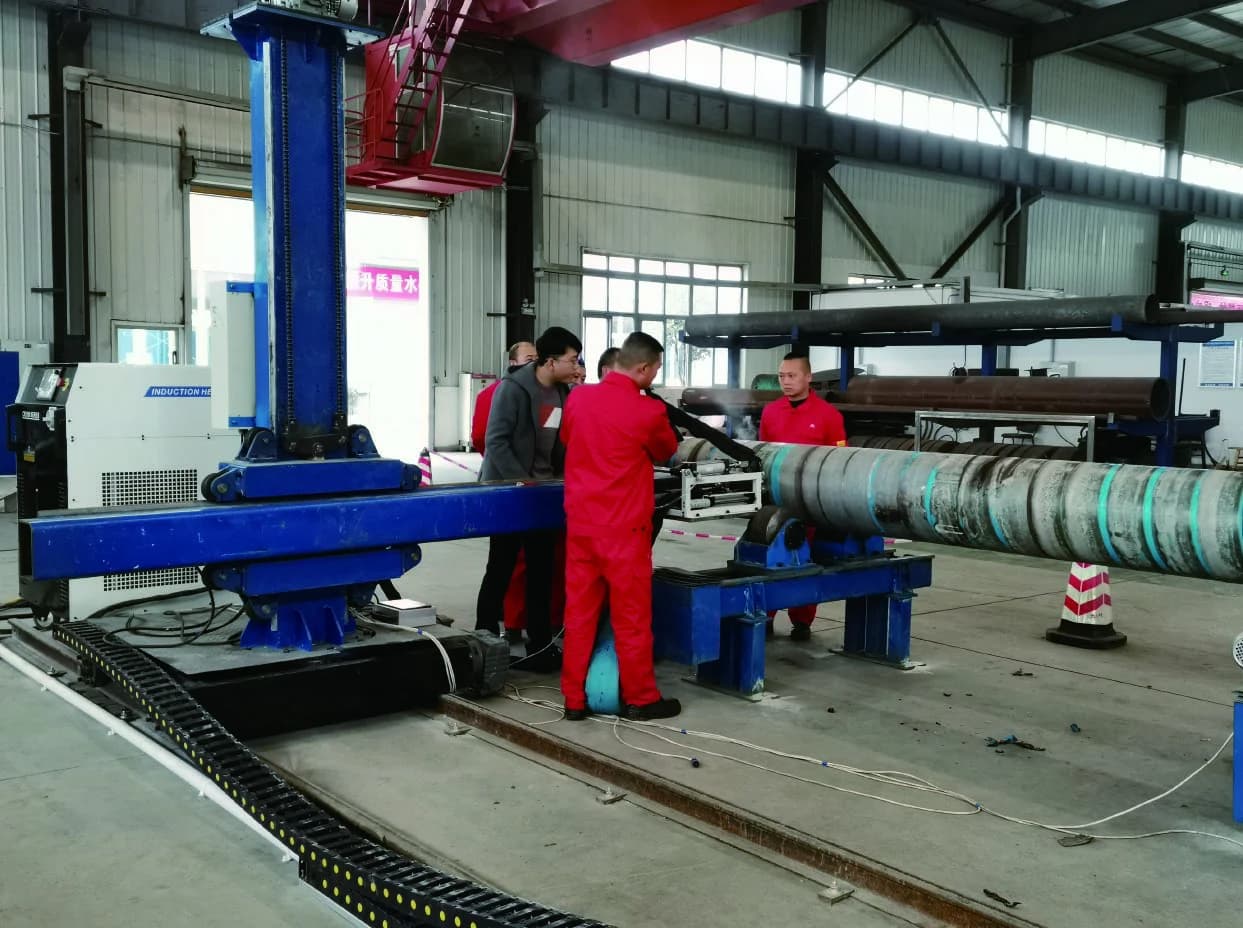
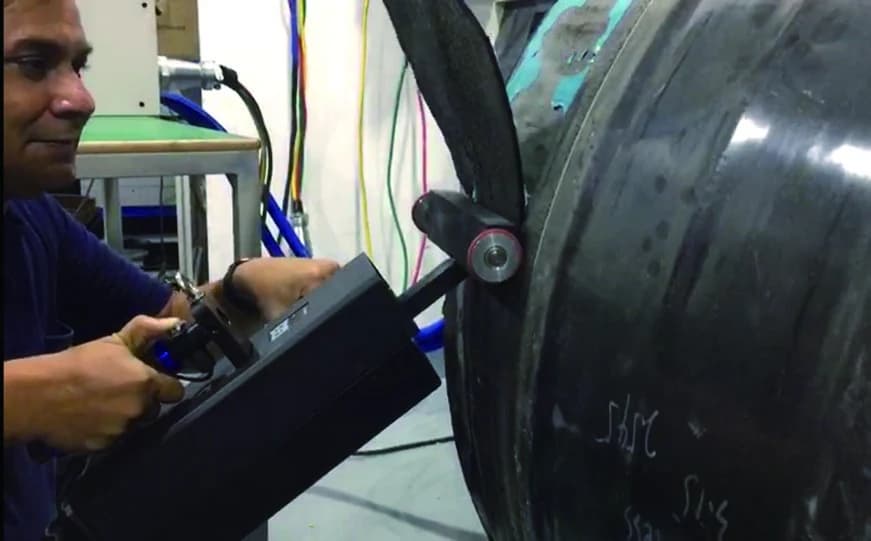
| Peeling labour | Coating type and thickness, crew size, working height | The heat releases the coating; a person still scrapes it off |
| Power and cooling | Site supply, run time | The site has to supply and route both for the whole run |
| Waste | Coating volume, collection, removal | The waste is solid debris, not fume, but it still has to leave site |
| Surface preparation | The coating specification | Removing the bulk coating does not leave a surface ready for paint |
| Isolation and downtime | Tank status, cleaning and gas-freeing | Often the largest line on a tank that is in service |
The lines that move most between quotations
Two of these deserve attention before anything else, because they are the ones that separate a low quotation from an accurate one.
Peeling labour. The coating release is the part that looks automated, and the removal is the part that is not. A machine that releases the coating does not lift it, and the rate at which a crew lifts and collects it depends on the coating, the height of the work and how the tank is set up. This is why a removal rate quoted on its own means very little, and why a quotation that states a rate without a crew size and a working height is not comparable with another one.
Surface preparation. A tank that has been stripped of its lining is not a tank that is ready for the new coating system. Primer, rust and a partly degraded coating are left on the steel, and the specification for the new system decides what happens next: a further cleaning stage, abrasive preparation to a defined profile, or both. Quoting the removal and leaving the preparation open moves a real cost into the variation, and the owner usually ends up paying for it at the end of the job rather than in the quotation.
What changes the number on a specific tank
Four things about the tank itself decide most of the difference between quotations.
- The plate. Thickness and grade change how the heat behaves and whether it can be used at all. Thin plate carries the heat through to the other side, which changes both the method and the risk.
- The coating. The material, the layer structure and the measured thickness decide how much heat is needed to release it. Some coating systems do not release cleanly at all, and a sample is worth more than a description.
- Access. Internal obstructions, manway sizes, vents and the space around the tank decide how the equipment and the crew move, and an obstructed tank is a slower tank.
- The condition the steel is found in. Corrosion found under the lining is discovered during the work, and a tank with heavy internal corrosion is a different job from the one that was quoted.
What to send with the enquiry
Supplier quotations become comparable when everyone is working from the same information. Six items cover it.
- Steel grade, plate thickness and the tank dimensions.
- The coating type, the layer structure and the measured thickness, with the safety data if it is held.
- The required surface condition and the coating specification that will follow.
- Photographs of the tank interior and of the coating at the edges.
- The daily area to be treated and the access constraints.
- The electrical supply available and whether the tank can be isolated for the duration.
With those in place, a supplier can quote the configuration that fits and the sequence that works, rather than quoting the equipment and leaving the process to be discovered on site. The CR2100 induction coating removal system page lists the configurations and what each one needs on site, and the storage tank lining application page sets out the same questions for tank work specifically.
Test before you commit
The single most useful thing that can happen before the contract is signed is a test on a representative area of the actual tank. It answers the question that the quotation cannot: how this coating releases on this plate, at what rate, and what the steel looks like afterwards. It also turns the estimate into a measured number, and it is the point at which the two methods are fairly compared.
That comparison is worth doing on cost rather than on equipment, and the comparison of induction, laser and abrasive blasting sets out the lines that have to be counted on both sides of the quotation. If the tank has to be ready for a coating system at the end of it, the cost of that preparation belongs in the comparison, not in the variation.
Frequently asked questions
How much does it cost to reline a storage tank?
The cost is quoted per square metre, but the number is only meaningful with the coating, the plate thickness, the access and the required surface condition behind it. Two tanks of the same size can differ several times over. The figure that answers the question properly is the one built after a test on the actual coating, because that is what turns the removal rate and the surface condition from assumptions into measurements.
Can the old lining be removed without taking the tank out of service?
Sometimes, and it depends on the tank, the access and the isolation that the operator's own rules require. Coating removal produces heat, dust and debris, so the tank has to be cleaned, gas-free and isolated for the work, whether or not the contents are still in it. Whether the tank stays in service during the work is a question about the plant and the schedule, not only about the coating.
Is it cheaper to strip the tank by hand than by machine?
Hand removal of a heavy lining is slow and the labour cost is high, but it is still the comparison that has to be made, because the labour is the largest line in a removal job. Machine removal changes the crew time for the peeling, and it changes the waste handling. It does not change the preparation that the coating specification requires afterwards, which is often where the difference between the two quotations actually appears.
The pipeline coating removal page covers the same cost structure on a different geometry, and the contact form takes a tank description so the sequence and the configuration can be reviewed against the actual job.