

Why Are Laser Protective Windows Easily Dusty and Broken?
Laser protective windows play a crucial role in shielding sensitive optical components from contamination and damage during laser operations. However, they are often prone to becoming dusty or…
Why Are Laser Protective Windows Easily Dusty and Broken?
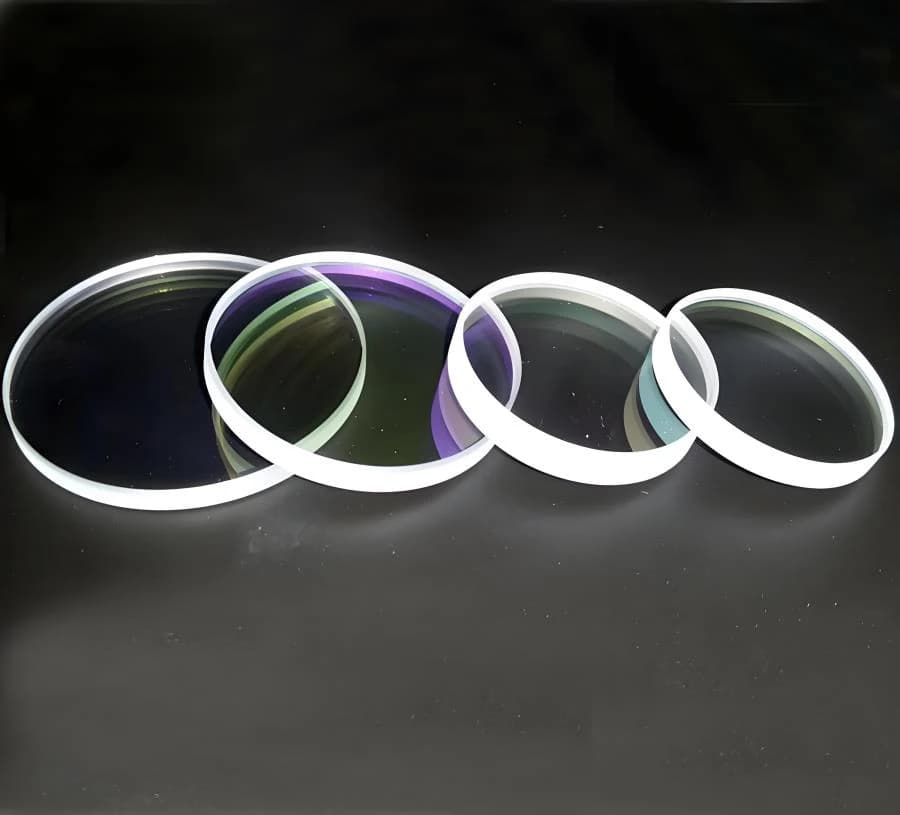
Laser protective windows play a crucial role in shielding sensitive optical components from contamination and damage during laser operations. However, they are often prone to becoming dusty or breaking. Here’s why:
1. Exposure to Dusty Environments
Laser systems are frequently used in industrial settings where dust, debris, or fumes are prevalent. Over time, these particles settle on the protective windows, obstructing the laser beam and reducing efficiency.
2. Delicate Material
Most laser protective windows are made from high-transparency materials like quartz or specialized glass. While these materials ensure optimal laser transmission, they are also delicate and susceptible to scratches or impact damage.
3. Frequent Handling
Protective windows often require regular cleaning or replacement, especially in high-power laser systems. Improper handling during maintenance can lead to scratches or accidental breakage.
4. Thermal Stress
Intense heat from the laser beam can cause thermal stress, especially if the window is not adequately cooled or the material is of subpar quality. Over time, this can lead to cracks or fractures.
Tips to Prevent Dust and Breakage
- Maintain a Clean Environment: Use air filtration systems to minimize dust in the workspace.
- Use High-Quality Windows: Invest in durable, high-transmission windows designed for your laser's power and wavelength.
- Proper Cleaning: Use appropriate cleaning tools and techniques to avoid scratches.
- Routine Inspections: Regularly check for signs of wear and replace windows as needed.
By understanding these common issues, users can take proactive measures to extend the lifespan of laser protective windows and ensure optimal laser performance.