


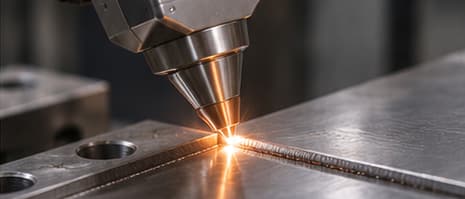
Laser welding
Explore joint geometry, material pairing and equipment configuration for metal joining.
Build the process around the joint, not power alone.
Laser welding directs concentrated energy into a joint to join metal. Joint design, fit-up, material pairing and the chosen delivery method influence the result. Handheld and automated approaches serve different access and repeatability needs; the equipment configuration should follow the production task.
Where it fits
Fabricated assemblies
Evaluate accessible joints in sheet-metal and fabricated components.
Repeat production
Consider fixtures, consistent positioning and an automated process sequence.
Accessible repair joints
Assess local joint access and the condition of the material before selecting a repair process.
From joint requirements to a welding configuration
Define the joint
Identify materials, thicknesses, joint form and quality requirements.
Plan the setup
Consider fit-up, fixturing, beam access and shielding arrangements.
Evaluate the weld
Use appropriate inspection to assess the joint against its requirements.
What controls the process?
- Material pairing
- Alloy condition and dissimilar-metal combinations affect weldability.
- Fit-up and access
- Gaps, alignment, edge condition and fixture design influence the process.
- Production method
- Handheld operation and automation have different positioning and repeatability needs.
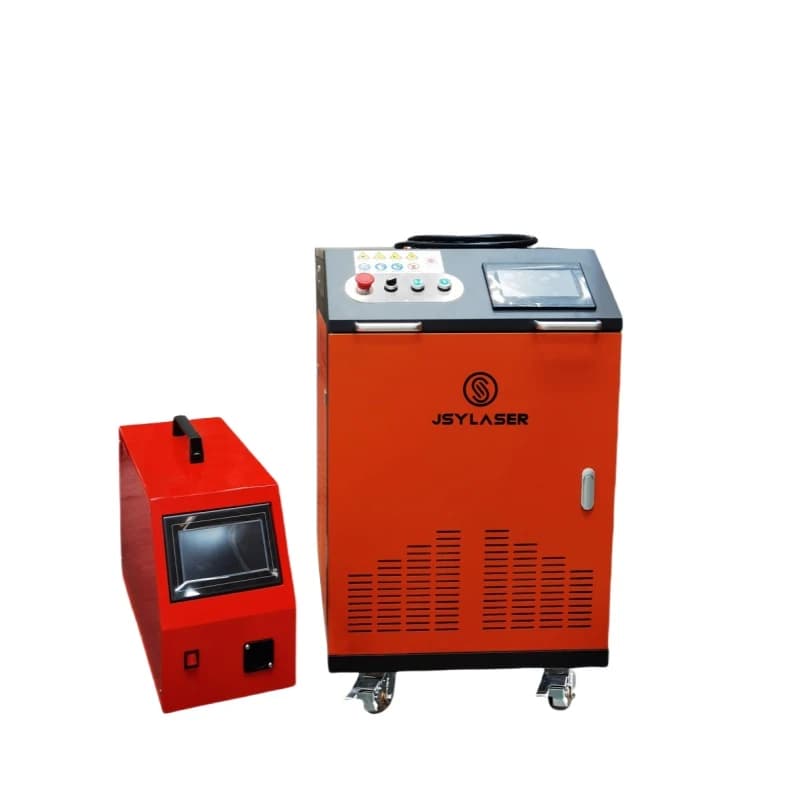
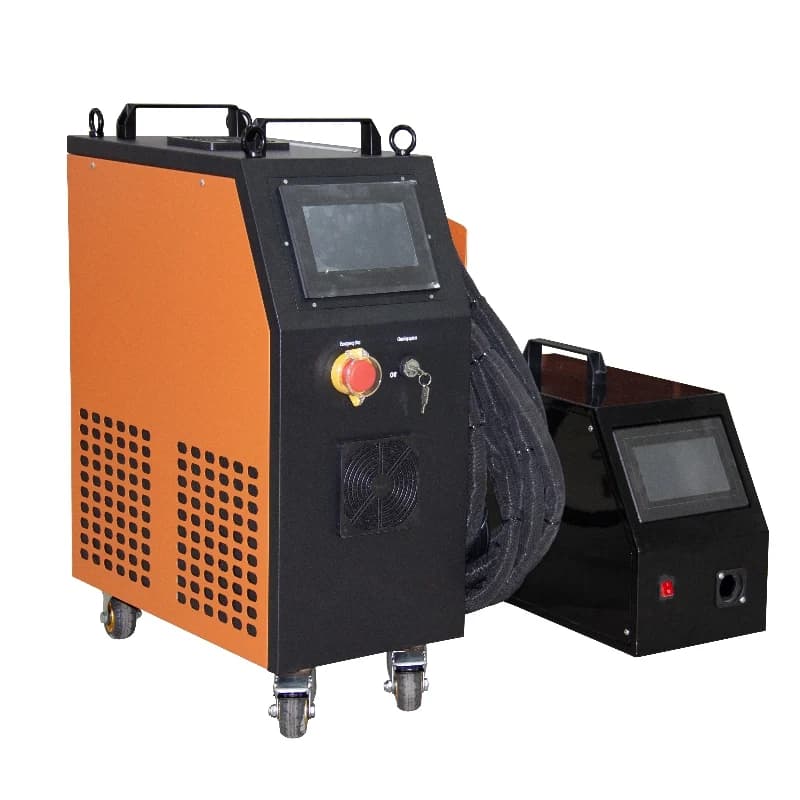
Explore welding equipment
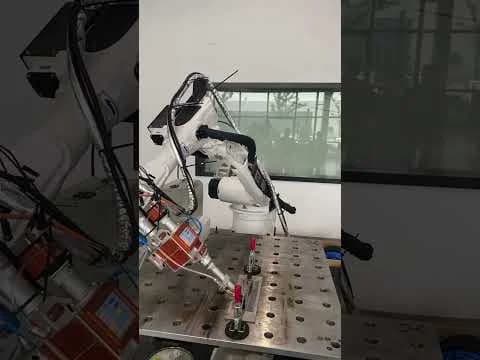 See the process in action
Does higher output guarantee a better weld?
No. Joint geometry, materials, setup and the process strategy matter alongside output. Nominal power alone does not establish weld depth or quality.
Should the process be handheld or automated?
The choice depends on access, part variation, fixtures and repeatability requirements. The same configuration should not be assumed to fit every production task.