

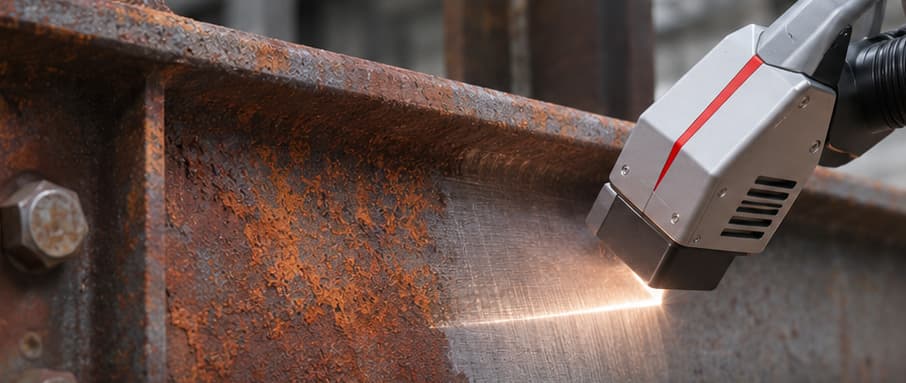
Laser rust & oxide removal
Remove surface corrosion from steel components before coating, welding or maintenance.
Target the oxide. Understand the steel beneath.
Laser cleaning uses a scanned beam to remove rust and oxide from exposed metal surfaces. The cleaning strategy depends on the substrate, corrosion condition and required finish. It removes surface deposits; it cannot replace metal already lost to corrosion.
Where it fits
Fabricated steelwork
Local surface preparation around accessible structural features.
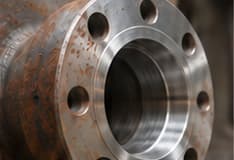
Metal components
Targeted cleaning of exposed surfaces and defined treatment areas.
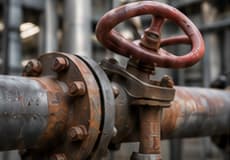
Maintenance work
Rust removal where access and control are important to the task.
From corrosion to a controlled cleaning process
Assess the surface
Identify the substrate, corrosion condition and required cleaning area.
Set the scanning process
Match the treatment strategy to surface geometry and the required finish.
Remove and collect residues
Remove the oxide layer and manage the detached material at the work area.
What controls the process?
- Rust condition
- Light surface oxidation and heavy scale need different approaches.
- Surface geometry
- Edges, recesses and changing stand-off affect beam access.
- Next operation
- Coating, welding and inspection can require different surface conditions.
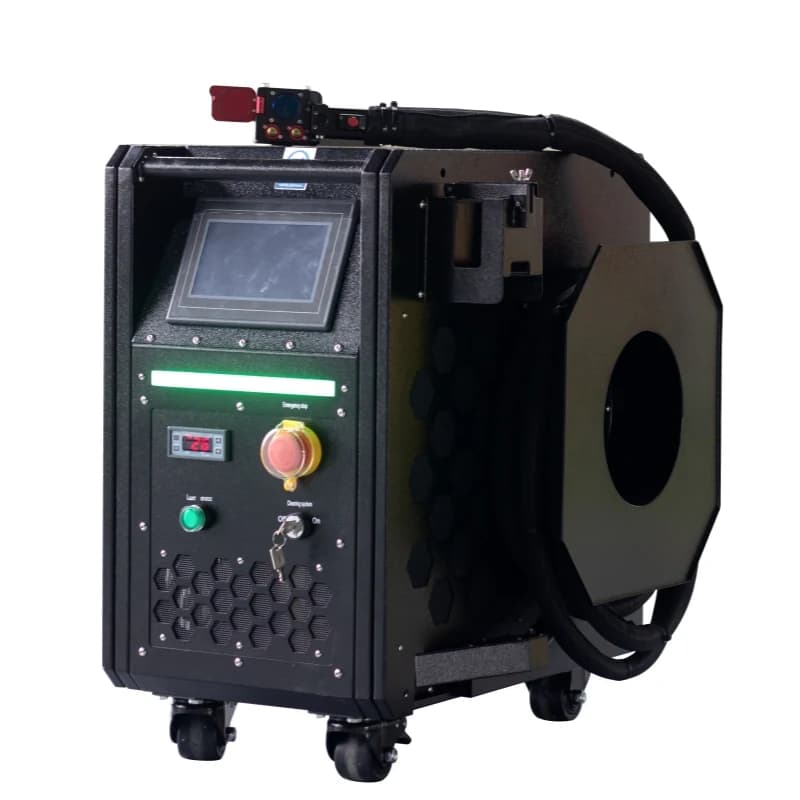
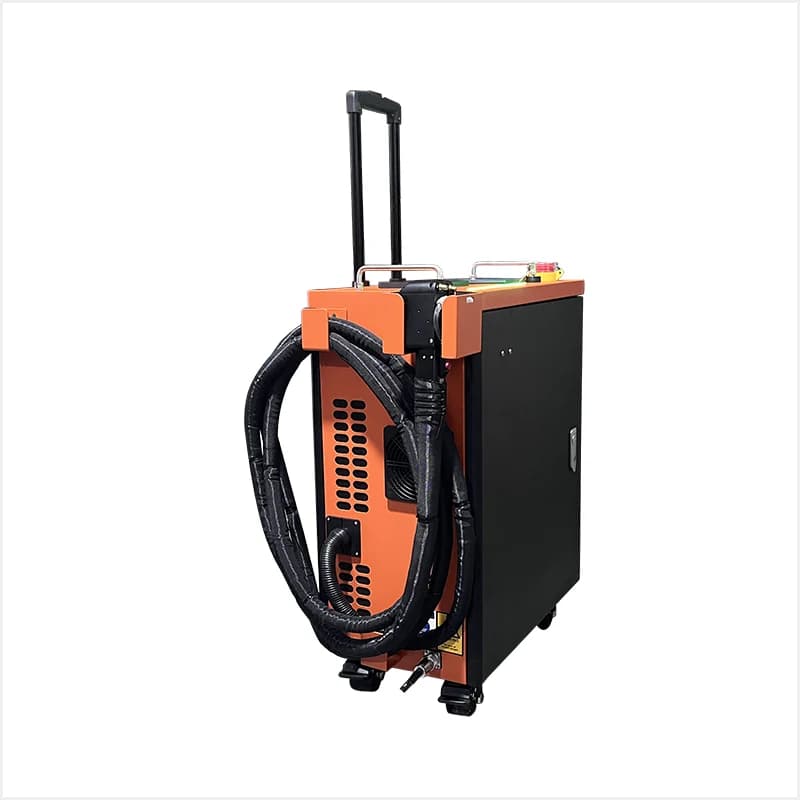
Compare cleaning systems
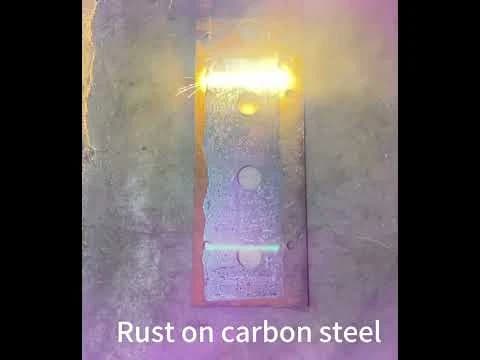 See the process in action
Can cleaning restore corroded metal?
It can remove corrosion products from accessible surfaces, but cannot replace metal that corrosion has already consumed. Structural condition and remaining thickness must be assessed separately.
What surface finish is needed for recoating?
The coating specification determines the required cleanliness and profile. A visibly clean surface alone does not establish readiness for every coating system.