

Paint & coating removal
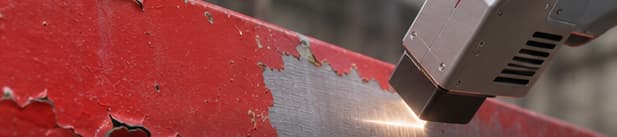
Localized stripping of paint and coatings from accessible metal surfaces.
Remove the coating where the next operation needs it.
Laser stripping applies energy to a defined area of a coating to remove unwanted material. Paint chemistry, layer build-up and the underlying substrate influence the process. Aged paint, primers and elastomeric coatings can respond differently, so appearance alone is not a reliable guide to the cleaning strategy.
Where it fits
Local coating removal
Clear selected areas for inspection, joining or rework without treating the entire part.
Coated components
Evaluate access and treatment on painted metal housings and fabricated parts.
Surface rework
Remove unwanted layers before a separately specified finishing operation.
From coating system to a stripping strategy
Identify the layers
Establish the coating type, layer structure and base material.
Define the treatment zone
Consider adjacent finishes, geometry and access to the area being stripped.
Assess the remaining surface
Check residue and the condition needed for the next production step.
What controls the process?
- Coating composition
- Binders, pigments and multiple layers affect how energy is absorbed.
- Substrate sensitivity
- Thin sections, edges and heat-sensitive assemblies require particular attention.
- Removal depth
- Removing a topcoat, clearing to primer and exposing metal are different objectives.
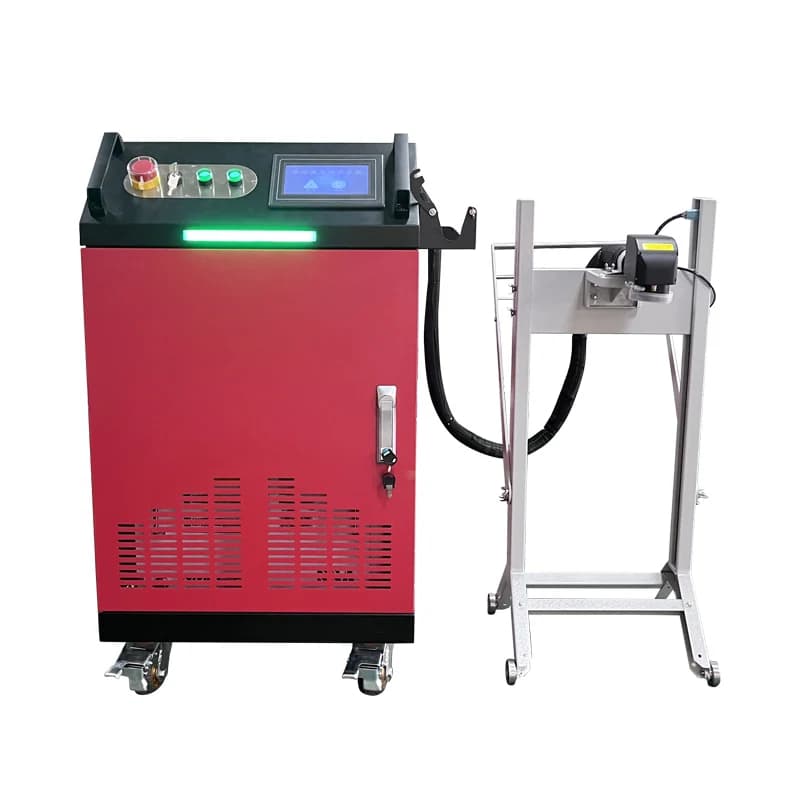
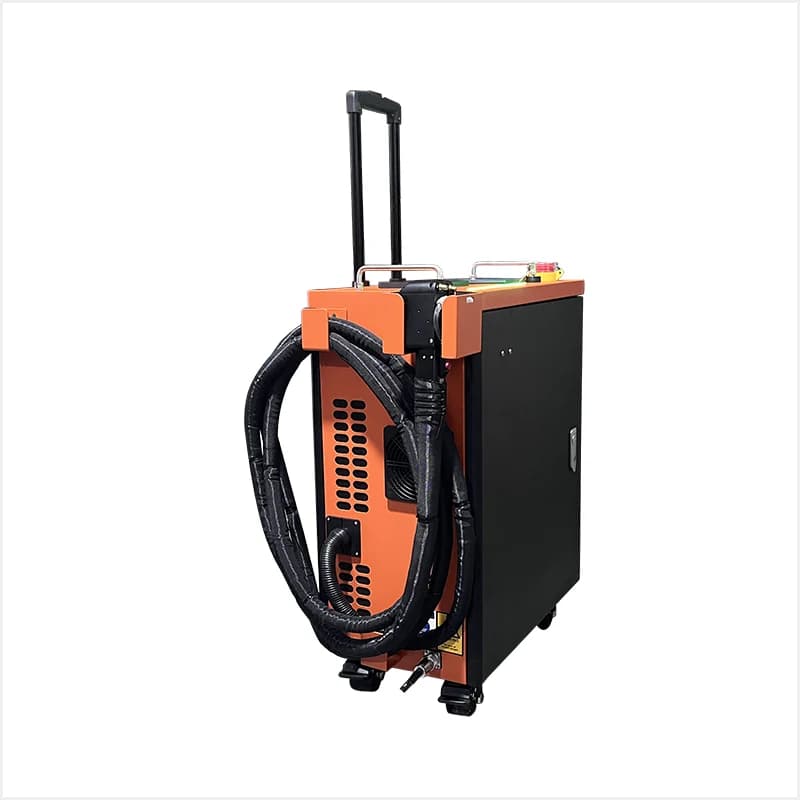
Compare cleaning systems
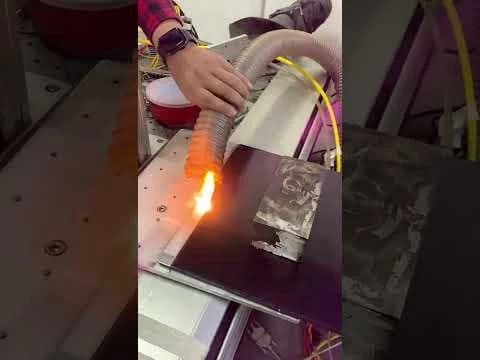 See the process in action
Can every coating be removed in the same way?
No. Coating chemistry, thickness and substrate condition determine the approach. A process demonstrated on one paint system should not be assumed to work identically on another.
Can only part of a component be stripped?
A defined treatment zone can be evaluated, provided beam access and the surrounding surfaces can be managed. The boundary quality depends on the actual geometry and coating.